Whole-Home Surge Protection in Austin, TX: What It Is and Why You Need It
Most Austin homeowners have a power strip with a built-in surge protector under their TV or on their desk. That's a start — but it's not protecting the appliances, HVAC system, or anything else plugged in around the rest of your house. Here's how whole-home surge protection works and why it matters in Texas.
What Is a Whole-Home Surge Protector?
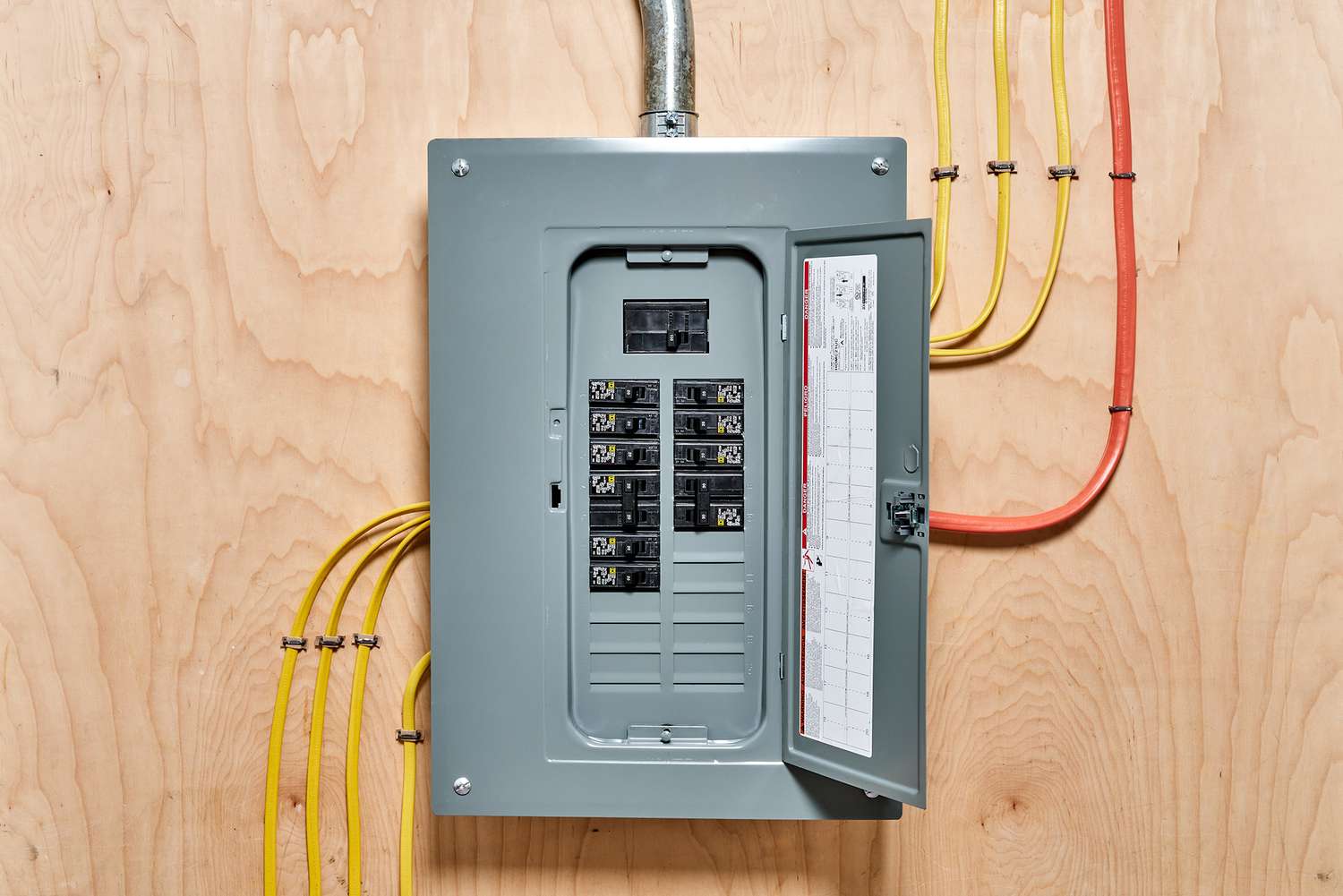
A whole-home surge protector (also called a service entrance surge protector or Type 1/Type 2 SPD — Surge Protective Device) is a device installed directly at your electrical panel. It monitors all the electricity coming into your home and clamps any voltage spikes before they can travel down your wiring to your appliances, electronics, and fixtures.
Unlike a point-of-use power strip that only protects the devices plugged into it, a whole-home unit protects every outlet, hardwired appliance, and circuit in the house — including your HVAC system, refrigerator, washer/dryer, water heater, and any smart home devices wired into the walls.
Normal household voltage runs at 120V (240V for large appliances). A surge is a brief spike — sometimes tens of thousands of volts — that travels through your wiring. Surges come from lightning strikes near your home, the utility grid switching loads, or large appliances cycling on and off inside your home. Your electronics weren't built for that kind of voltage, and even small repeated surges degrade components over time.
Why Texas Homes Need This More Than Most
Central Texas has several factors that make surge protection especially important:
- Lightning frequency: The Austin-San Antonio corridor sees dozens of storm events per year. A nearby lightning strike doesn't have to hit your home directly — it can send a damaging surge through the utility lines into your panel from a block away.
- HVAC load cycling: In a Texas summer, air conditioning runs almost constantly. Every time a large motor starts, it creates a small internal surge. Over years, those micro-surges degrade the electronics in your HVAC system, smart thermostats, and variable-speed appliances.
- Grid events: Texas runs its own power grid (ERCOT). Grid switching events — when utilities balance load during peak demand — create surges that travel down distribution lines into homes across the state.
- Smart-home density: New construction in Dripping Springs, Bee Cave, and Lakeway is loaded with smart home devices, variable-speed HVAC, EV chargers, and high-end appliances — all more sensitive to voltage irregularities than older technology.
What Surges Actually Damage (and What It Costs You)
The most expensive surge damage isn't from a dramatic single event that blows out everything at once. It's the cumulative effect of hundreds of small surges over years that slowly kill electronics and appliances before their time — and you never even notice it happening.
| Item at Risk | Replacement Cost | Notes |
|---|---|---|
| HVAC control board | ,500 | Most common surge damage claim in Texas |
| HVAC full replacement (surge-shortened lifespan) | ,000–,000 | Poor surge protection = shorter equipment life |
| Smart TV / home theater | ,000+ | High-end screens are especially vulnerable |
| Refrigerator / freezer | ,200–,000 | Control boards on modern units are surge-sensitive |
| Smart washer / dryer | ,500 | Variable-speed motors and touchscreens at risk |
| EV charger (Level 2) | ,500 | Hardwired units have no built-in surge protection |
| Smart home hub / wired devices | ,000 | Whole-system replacement if hardwired |
Most homeowner's insurance policies cover surge damage only above the deductible — typically ,000–,500. A HVAC control board replacement comes entirely out of pocket. A whole-home surge protector installed for can pay for itself with a single prevented repair.
Type 1 vs. Type 2: Which Do You Need?
Type 1 — Service Entrance (Before the Main Breaker)
Type 1 devices install before the main disconnect on the utility side of your panel. They handle the largest surges — direct lightning strikes on the utility lines feeding your home. Best for rural properties and homes with overhead utility lines, which is common in Dripping Springs and the Hill Country. Not all homes can accommodate a Type 1 without panel modifications.
Type 2 — Load Side (After the Main Breaker, Inside the Panel)
Type 2 devices install inside your main panel after the main breaker. They handle the more common surges that make it past utility protection — HVAC cycling, grid events, and surges that originate inside your home. This is the most practical option for the majority of Austin-area homes.
The gold standard is a Type 2 whole-home device at the panel plus quality point-of-use strips for your most sensitive electronics (computers, home theater, smart home hubs). The panel unit absorbs the bulk of surge energy; the strip handles any residual. Together they provide substantially better protection than either alone.
What Does Whole-Home Surge Protection Cost in Austin?
This is one of the best-value electrical upgrades a homeowner can make:
| Service | Typical Installed Cost | Notes |
|---|---|---|
| Type 2 whole-home SPD (standard home) | Parts + labor; most installs take 1–2 hours | |
| Type 1 + Type 2 dual protection | ,100 | Best for rural/Hill Country properties |
| Added during panel upgrade | add-on | Panel already open — saves labor cost significantly |
| Premium whole-home SPD (Eaton, Siemens, Leviton) | Higher joule ratings, better warranty coverage |
When we do panel upgrades, we almost always recommend adding a whole-home surge protector at the same time — the panel is already open, so the add-on cost is a fraction of doing it as a standalone job later. If you're getting any electrical work done in your home, it's worth asking about adding surge protection while we're there.
What to Look for in a Whole-Home Surge Protector
Not all surge protectors are equal. When evaluating a device:
- Joule rating: Higher is better. Look for at least 36,000 joules for a Type 2 whole-home device. Some premium units rate 108,000+ joules.
- Clamping voltage: Lower is better. Look for 400V or less (the voltage at which the device starts clamping). Many cheap units clamp at 600V+, which is too high to protect sensitive electronics.
- Response time: Should be measured in nanoseconds (billionths of a second). Any device worth buying responds in under 1 nanosecond.
- UL 1449 listed: This is the standard for surge protective devices. Don't buy anything that isn't UL 1449 listed.
- Warranty with connected equipment coverage: Quality manufacturers like Eaton, Siemens, and Leviton back their whole-home units with connected equipment warranties — meaning if a surge gets through and damages your appliances, the manufacturer covers it up to a stated limit.
- Indicator light: Shows when the device is still functioning. Surge protectors wear out over time as they absorb surges. An indicator light lets you know when it needs to be replaced.
Signs You May Have Already Had Surge Damage
Surge damage is often invisible until something stops working. Watch for:
- Appliances that stop working shortly after a storm
- HVAC system that runs but doesn't cool or heat properly after a storm event
- Smart devices that reset to factory settings unexpectedly
- Appliances that seem to age faster than they should (motors that get loud, displays that flicker)
- Circuit breakers that trip more frequently after storms
If you've had appliances fail shortly after storm events and you don't have whole-home surge protection installed, it's worth having an electrician check your panel and discuss adding a device before the next storm season.
Frequently Asked Questions
Don't my power strips already protect my electronics?
Power strips with surge protection do protect whatever's plugged into them — TVs, computers, game consoles. But they don't protect your HVAC system, refrigerator, washer/dryer, water heater, hardwired smart home devices, or EV charger. Those connect directly to your home's wiring with no surge protection at all unless you have a whole-home device at the panel. A whole-home unit plus quality point-of-use strips gives you full coverage.
How long does a whole-home surge protector last?
Surge protectors don't last forever — they absorb surge energy and degrade over time. A quality Type 2 whole-home device typically lasts 5–10 years under normal Texas conditions. Devices with indicator lights will show when they've been depleted and need replacement. Plan to have yours inspected every few years, especially after major storm events.
Can I install a whole-home surge protector myself?
Installation involves working inside your main electrical panel, which carries lethal voltage. Even with the main breaker off, the service entrance wires coming into the panel from the utility remain energized. This is not a DIY project — it requires a licensed electrician. In Texas, panel work must be permitted and inspected in most jurisdictions, and DIY electrical work can void your homeowner's insurance coverage for related incidents.
Will my homeowner's insurance cover surge damage?
Most policies cover sudden and accidental damage from power surges, but only above your deductible (typically ,000–,500) and subject to depreciation on older appliances. That means many surge-damaged items — especially older HVAC components — may not pay out at all. Some insurers also offer equipment breakdown coverage as a rider, which covers internal electrical failures not related to external surges. Check your policy and ask your agent about your specific coverage.
My home already has a whole-home surge protector. Do I still need power strips?
Yes — for your most sensitive electronics. A whole-home device handles the big surges and reduces the energy of smaller ones, but some residual voltage can make it through, especially for surges that originate inside your home (like from an appliance motor). Quality UL-listed point-of-use surge strips on computers, home theaters, and smart home hubs add a valuable second layer of protection for the items most likely to be damaged by even small voltage spikes.
Protect Your Home's Electronics and Appliances
We install whole-home surge protectors across Austin, Dripping Springs, Lakeway, Bee Cave, and the Hill Country. TECL #28315. Most installations completed — give us a call for a free estimate.